Six Hours or It Didn't Happen: The Backyard Snow Board That Tells the Truth
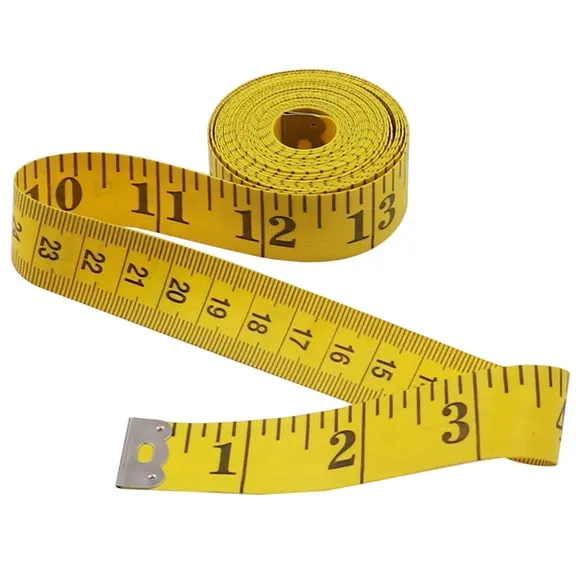
Photo: measuring snowfall depth with ruler on white snow board in backyard winter, via i5.walmartimages.com
Every winter, someone in the neighborhood group chat posts a photo of a tape measure buried in a drift on the back deck, caption reading something like '14 inches and counting.' The number is almost always wrong, and it's almost always too generous. That's not because anyone is lying on purpose. It's because snow is a slippery thing to measure, literally and figuratively, and most of us were never taught how.
The fix is cheap, unglamorous, and genuinely useful: a painted board, a ruler, a six-hour clock, and one extra step most people skip. Do it right and your numbers stop being a novelty and start being data.
Why your number runs hot
Four things conspire to inflate a casual measurement.
The surface underneath. Grass blades hold snow above the ground like a tiny scaffolding. A wooden deck radiates heat from the house below it and melts the bottom inch. Asphalt and concrete hold warmth for hours after the air has gone below freezing. A car hood is basically a heated measuring platform that also happens to sculpt snow into whatever shape the wind wants. Measure on any of those and you're reporting a number that reflects your patio, not the storm.
The timing. Snow settles. A fresh ten inches at 3 a.m. can compress to seven by the time you shuffle out at 7 a.m. with coffee, and to five by the next morning. If you wait until the storm is completely over to take your one measurement, you've skipped the compaction and recorded the leftovers.
The drift. Snow almost never falls straight down. A single reading in a six-inch drift tells you about the wind around your fence, nothing more.
The wishful tape measure. Big snow is fun, and the temptation to round up is real. Resist it. The record is the point.
Build the board (about fifteen dollars and ten minutes)
You want a flat, white, weatherproof surface that sits on level ground and doesn't add heat.
- A piece of plywood, roughly 16 by 16 inches or larger, at least half an inch thick. Paint it flat white — white reflects sun and keeps the board from warming faster than the surrounding snowpack. Seal the edges if you want it to last multiple seasons.
- A stake or a marker flag so you can find it under two feet of snow. Put the marker off to one side. A flag pole casting a wind shadow creates a drift, and a drift ruins the measurement.
- Placement: open ground, on the lawn, well away from the house, trees, fences, sheds, and the car. Distance matters — a building changes local wind and snow deposition for many feet downwind. If you can manage it, set the board in the most exposed open area your property offers.
- Timing: put it out before the season starts if you can. Dropping a board onto fresh snow mid-storm is a good way to measure a compressed layer you created yourself.
If you have no yard, a flat section of a low, unheated roof or a community garden plot works with permission. A picnic table in the open is a distant second — it's elevated, so wind behaves differently up there.
The six-hour rule
This is the part that separates a real snowfall report from a vibe.
National Weather Service cooperative observers take measurements at six-hour intervals — commonly around 7 a.m., 1 p.m., 7 p.m., and 1 a.m. — and you can follow the same rhythm with a schedule that fits your life. The interval matters more than the exact clock time: six hours is short enough that snow hasn't had a chance to settle much, and long enough that you aren't out there with a flashlight every hour.
At each checkpoint:
- Take several readings across the board, not one. Snow depth varies over a 16-inch span more than you'd expect.
- Average them and round to the nearest tenth of an inch. Tenths, not inches — a tenth of an inch is a real unit of measurement, not false precision.
- Write it down with the time, then wipe the board clean so the next interval starts at zero.
- At the end of the storm, add your intervals together. That total is snowfall. The depth sitting on the ground afterward is snow depth. They will not match, and they aren't supposed to. Both are useful, but they answer different questions.
Keep a simple log — paper, spreadsheet, notes app, whatever you'll actually maintain. Time, interval depth, running total, and a couple of words about conditions. 'Heavy wet flakes, wind out of the northwest, drifted along the fence line' is a perfectly good entry.
Don't stop at depth: pull a core
Here's where you separate yourself from everyone else on the block. Snow depth alone doesn't tell you what the storm is carrying.
Push a straight-sided tube down through the snow on the board until it hits the surface — a snow core sampler if you have one, a rain gauge inner tube, or even a tall, straight-sided container will do. Extract the column, let it melt at room temperature, and measure the resulting liquid in your rain gauge.
That gives you the snow-to-liquid ratio. A dry, fluffy storm might run 15:1 or even 20:1, meaning fifteen inches of snow for every inch of water. Wet, heavy snow can be 6:1 or lower. The depth number alone treats those as the same event. They are not remotely the same event. Ten inches of 15:1 powder is a pleasant Saturday. Six inches of 6:1 slop is a roof-load problem, a plow-killer, and a flooding risk once it melts.
You don't need to do a core at every interval. One per storm, taken from the board before you clear it, is plenty.
Where the numbers go
A log on your phone helps exactly one person. Reporting it helps everyone.
CoCoRaHS — the Community Collaborative Rain, Hail and Snow Network — takes daily volunteer reports from all fifty states, and their training is free and online. mPING collects real-time precipitation reports that feed into research and forecasting. Many local NWS offices run spotter programs worth looking into. And your county's emergency management or public works department genuinely reads local reports when deciding how to staff a plow shift.
That's the payoff. Every clean reading is a ground-truth data point that helps verify radar estimates, check model output, and sharpen the next forecast. A hundred accurate backyard observers across a region can tell a forecaster something a satellite can't.
A few habits worth keeping
Measure at the same times each day and note the time. Photograph the board — a photo with a visible ruler and a timestamp settles a lot of arguments. Don't measure during thundersnow or freezing rain if it means standing under a tree. And if wind has clearly sculpted the snow on your board, say so in your notes instead of pretending the number is clean.
The whole setup costs less than a pizza and takes less time than scraping the car. Do it for one season, and you'll never look at a group-chat snow photo the same way again — including your own.