Whiteout Conditions Storm science, safety, and survival

Whiteout Conditions

Storm science, safety, and survival

Latest Articles

The Two-Day Roof Hangover: Auditing for Ice Dams After the Storm Bows Out
Home Preparedness

The Two-Day Roof Hangover: Auditing for Ice Dams After the Storm Bows Out

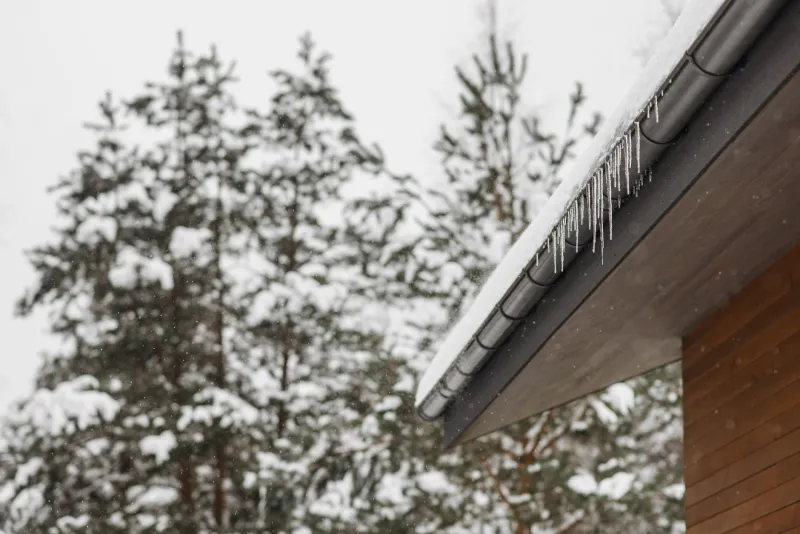
Ice dams rarely announce themselves during the storm. The real damage often shows up a day or two later, when meltwater finally finds a path through the ceiling. Here is how to audit your house room by room, remove ice safely, and shut down the freeze-thaw cycle before the next snow.

Your Skin Has a Stopwatch: How to Read Wind Chill Before the Garage Door Opens
Weather Literacy

Your Skin Has a Stopwatch: How to Read Wind Chill Before the Garage Door Opens

Wind chill is not a second air temperature, and it is not a dare. It is a rough timer for exposed skin. Here is how to turn a forecast number into a simple pre-trip decision about layers, route, and when to stay put.

Rain That Doesn't Splash: A Driver's Field Guide to Freezing Rain
Highway Safety

Rain That Doesn't Splash: A Driver's Field Guide to Freezing Rain

Freezing rain doesn't announce itself with a snowbank. It arrives as ordinary-looking rain that turns bridge decks, ramps, and sidewalks into a clear sheet of ice. Here's how to read the setup, the temperature clues, and the ice-accretion thresholds before you commit to the road.

The Shadow With a Blade: Sharing the Road With Plows When Visibility Collapses
Highway Safety

The Shadow With a Blade: Sharing the Road With Plows When Visibility Collapses

A snowplow in low visibility is less an obstacle than a moving whiteout with a blade attached. Here is how to read its lights and spray, why passing is usually a bad trade, and how to set a following gap and escape plan before the road goes blank.

Your Headlights Are Lying to You in the Snow: A Night-Drive Lighting Reset
Highway Safety

Your Headlights Are Lying to You in the Snow: A Night-Drive Lighting Reset

At night, snow turns every extra beam into glare and every bright dashboard into a windshield mirror. Here’s a practical lighting reset for US drivers—low-beam discipline, fog-light judgment, dash dimming, defroster setup, and the 60-second check for 2026 LED and adaptive headlights.

Borrowed Edges: The Flat-Light Survival Playbook for Skiers and Riders
Weather Literacy

Borrowed Edges: The Flat-Light Survival Playbook for Skiers and Riders

Flat light does not announce itself with wind or a wall of snow. It quietly removes the shadows and texture that tell your brain where the snow ends and the sky begins. Here is how to ski and ride when the mountain loses its edges.

Don't Chase the Red Glow: Rewiring the Taillight Reflex in a Sudden Whiteout
Highway Safety

Don't Chase the Red Glow: Rewiring the Taillight Reflex in a Sudden Whiteout

The instant visibility drops, most drivers lock onto the taillights ahead and treat them as a lane marker, a speed guide, and a promise that someone up front knows where the road is. That reflex is the single most common way a whiteout turns into a pileup. Here's what crash investigators keep finding, and a five-second drill that breaks the habit.

Sixty Seconds in the Ditch: Drilling the Whiteout Exit Before You Need It
Home Preparedness

Sixty Seconds in the Ditch: Drilling the Whiteout Exit Before You Need It

Most winter survival advice is a list you read once and forget. This is a rehearsed sequence instead—a minute-by-minute drill for the moment you leave the pavement or come to a stop in a whiteout, built so a household can walk through it in the living room and a solo traveler can run it from memory at the wheel.

Clear Sky, White Road: The Ground Blizzard Hiding in Plain Sight
Highway Safety

Clear Sky, White Road: The Ground Blizzard Hiding in Plain Sight

A ground blizzard can shut down a highway without a single cloud overhead. Here is how wind turns old snow into a new whiteout, where it hits hardest in the U.S., and what to do when the horizon disappears across your windshield.

First Snow, False Confidence: Why November's Opening Storm Is a Trap for Drivers
Weather Literacy

First Snow, False Confidence: Why November's Opening Storm Is a Trap for Drivers

The season's first accumulating snow is often more dangerous than a midwinter blizzard, not because it is bigger but because drivers have not switched modes yet. Here is the psychology, the physics, and a pre-first-storm checklist that starts before the flakes.

Which Whiteout Are You In? Three Vanishing Horizons and How to Answer Each
Weather Literacy

Which Whiteout Are You In? Three Vanishing Horizons and How to Answer Each

A whiteout is not one weather trick. Wind-driven snow, freezing fog, and flat-light glare erase the horizon in different ways, and each one calls for a different decision. Here is how to read the field clues and pick an exit before your bearings go with the view.

The Weight Above Your Ceiling: A Homeowner's Guide to Snow Load
Home Preparedness

The Weight Above Your Ceiling: A Homeowner's Guide to Snow Load

Snow looks light until you do the water math. Wind-loaded drifts, freeze-thaw ice, and a few feet of wet snow can push a roof toward its design limit quietly. Here is how to audit the load, spot trouble, and clear snow without creating a second emergency.

Snow That Booms: How to Read a Thundersnow Recipe in the Radar
Weather Literacy

Snow That Booms: How to Read a Thundersnow Recipe in the Radar

Thundersnow looks like a freak event from the driver's seat, but it is really a snowstorm that found the right mix of instability, lift, and moisture. Here is how to spot the setup on radar, where it shows up across the US, and what to do when the snow starts to rumble.

Cold Phones, Dead Signals: A Winter Battery Survival Checklist
Home Preparedness

Cold Phones, Dead Signals: A Winter Battery Survival Checklist

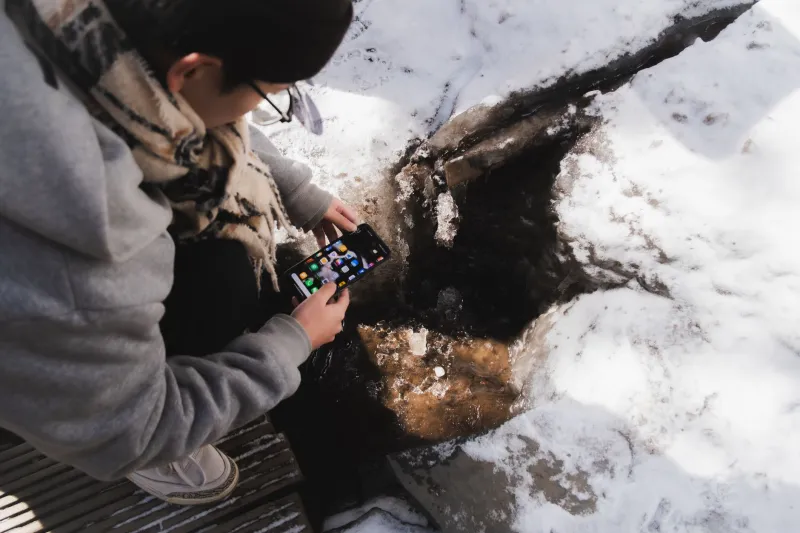
A phone that shuts down at 30 percent in the cold is not necessarily broken. It is a lithium-ion battery doing cold-weather chemistry, and a few field tricks can keep your navigation, alerts, and emergency calls alive when temperatures drop.

Three Red Flags on the Ridge: When to Bail Before the Mountain Goes Blank
Weather Literacy

Three Red Flags on the Ridge: When to Bail Before the Mountain Goes Blank

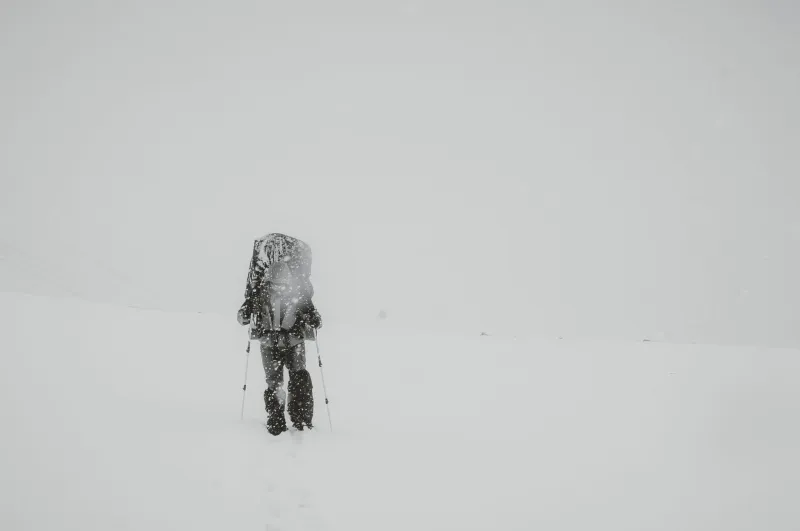
Whiteouts often build before they erase the horizon. This backcountry decision framework tracks three signals—shrinking visibility, wind-loaded terrain, and a falling temperature trend—so hikers, snowshoers, and ski tourers can set turnaround rules before the storm makes the choice for them.

The Blackout Room Check: A Winter Power-Outage Walkthrough for Your Whole House
Home Preparedness

The Blackout Room Check: A Winter Power-Outage Walkthrough for Your Whole House

A winter blackout turns every room into a decision point: pipes, phones, food, heat, and carbon monoxide risk. This room-by-room walkthrough covers the first 72 hours of an outage, from the garage to the basement, with practical steps for keeping people and plumbing safe.

Blizzard Is a Definition, Not a Marketing Plan: A Winter Alert Decoder for 2026–27
Weather Literacy

Blizzard Is a Definition, Not a Marketing Plan: A Winter Alert Decoder for 2026–27

Storm names are a brand, warnings are a forecast, and travel bans are a decision made by a DOT — three different messages that get flattened into one scary graphic. Here is how to tell them apart, what actually closes a highway, and a go / delay / shelter checklist for the 2026–27 travel season.

The Curtain Comes Down Fast: A Driver's Pre-Flight Check for Lake-Effect Snow Bands
Highway Safety

The Curtain Comes Down Fast: A Driver's Pre-Flight Check for Lake-Effect Snow Bands

Visibility dropping fast is a description of something already happening to you, not a warning you can act on. Here is a five-glance, ten-second check to run at the on-ramp before a lake-effect band swallows the interstate, plus a pull-over-or-proceed framework and a dashboard card for the 2026–27 season.