Your Skin Has a Stopwatch: How to Read Wind Chill Before the Garage Door Opens

Photo by Photo by Alexander Zvir on Unsplash on Unsplash
A cold morning forecast can sound like a riddle. The thermometer says 10°F, the app says it feels like -12°F, and your driveway says neither number is the whole story. Wind chill is the part of winter weather that gets flattened into a single scary-looking figure, then ignored once you are late for work.
That is a mistake. Wind chill is not a scarier version of air temperature. It is a heat-loss rate aimed at exposed skin. Think of it as a stopwatch: it tells you roughly how long bare cheeks, wrists, and fingers can push back the cold before frostbite becomes a real risk. The clock is not exact, and it is not a personal challenge. It is a planning tool.
Air Temperature Is the Thermostat. Wind Chill Is the Tax.
The official wind chill number comes from a formula that combines air temperature and wind speed. It answers a narrow question: how fast does exposed skin lose heat under these conditions? It does not mean the air is actually colder. It does not make your car engine, tires, or porch steps colder than the thermometer says. It does not mean a 20°F day has somehow become a -15°F day for your radiator.
For people and animals, though, the difference matters. Wind strips away the thin layer of warmth your body creates around your skin. The stronger the wind, the faster that layer disappears, and the harder your body has to work to replace it. That is why a 15°F morning with calm air can feel manageable, while the same 15°F with a 30 mph gust feels like a different season.
The National Weather Service wind chill chart is the standard reference in the U.S. It pairs wind chill values with estimated frostbite times for exposed skin. Those times are not guarantees. They vary with sun, moisture, circulation, clothing, age, health, and how long you have already been outside. But they are useful enough to build a decision rule around.
The Numbers That Matter Before You Leave
Here is the practical translation. When the forecast wind chill is in the range below, treat the exposed-skin clock as running.
| Wind chill | Rough frostbite window | Plain-English read |
|---|---|---|
| -10°F to -20°F | About 30 minutes | Cover every inch of skin. Long waits at a bus stop or ski lift are not casual time. |
| -20°F to -30°F | Roughly 15 to 30 minutes | No bare skin. Shorten outdoor errands. Recheck the car kit before a longer drive. |
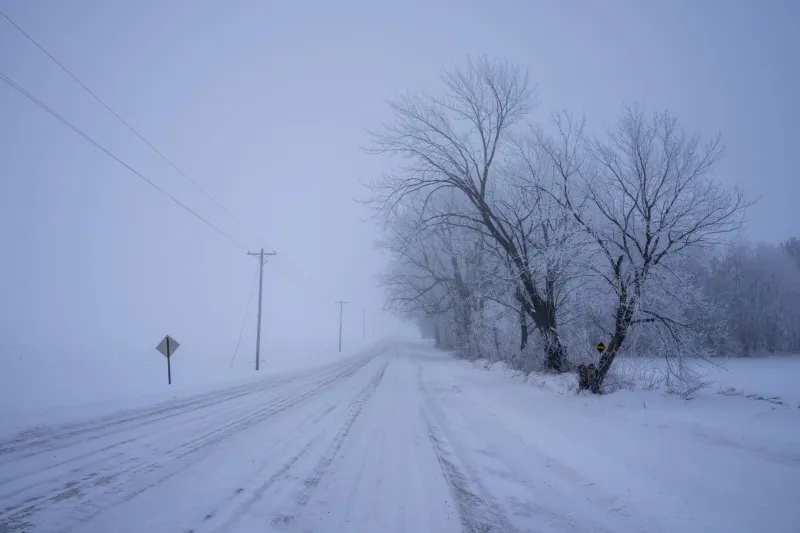
| -30°F to -40°F | About 10 to 15 minutes | Delay nonessential trips. Rural routes and mountain passes deserve extra caution. |
| -40°F and colder | Five minutes or less | Treat it like an emergency threshold, not a normal commute. |
Those windows are for exposed skin. A scarf over your nose changes the math. Goggles and a face mask change it again. The chart is not telling you that you will get frostbite in exactly 30 minutes. It is telling you that the margin for error is shrinking, and that a stalled car, a closed lift, or a wrong turn can eat that margin quickly.
The Pre-Trip Rule: Skin, Minutes, Shelter, Stop
Before you back out of the garage, run a four-part check. It takes less time than scraping a windshield.
Skin. Is any skin going to be exposed for more than a few minutes? Face, neck, wrists, ankles, and hands are the usual leaks. If the wind chill is -20°F or colder, the answer should be no. If you cannot cover it, you are already borrowing time.
Minutes. How long will you actually be outside? Not the drive time. The walk to the car, the gas pump, the parking lot, the wait for a lift, the tire change on the shoulder. A 12-minute commute can become a 40-minute exposure if something goes wrong.
Shelter. What warm buildings, open businesses, or reliable vehicles are along the route? A storm traveler with a bailout option is in a different situation than someone crossing a rural stretch of I-80 with no services for 60 miles.
Stop. What is the trigger to stop, turn around, or delay? Pick it before you leave. Maybe it is wind chill below -30°F. Maybe it is a frostbite window shorter than your expected outdoor time. Maybe it is a child, an older passenger, or a dog in the car. A trigger only works if you name it early.
A simple version for most people: if the wind chill is -15°F or colder and your trip includes more than 30 minutes of potential outdoor exposure, cover all skin and carry a fuller emergency kit. If it is -30°F or colder, postpone anything nonessential. If it is -40°F or colder, assume the outdoors is hostile and plan accordingly.
Where 'Tough It Out' Goes Wrong
Winter confidence often gets mistaken for winter preparation. 'I will be fine' is not a plan. Neither is 'I run warm.'
One common error is waiting for pain. Frostbite does not always announce itself with sharp pain. Numbness can feel like progress when it is actually a warning. Another is dressing in tight layers that cut circulation, or wearing cotton next to the skin and then sweating on the way to the car. Wet fabric and restricted blood flow both make the clock run faster.
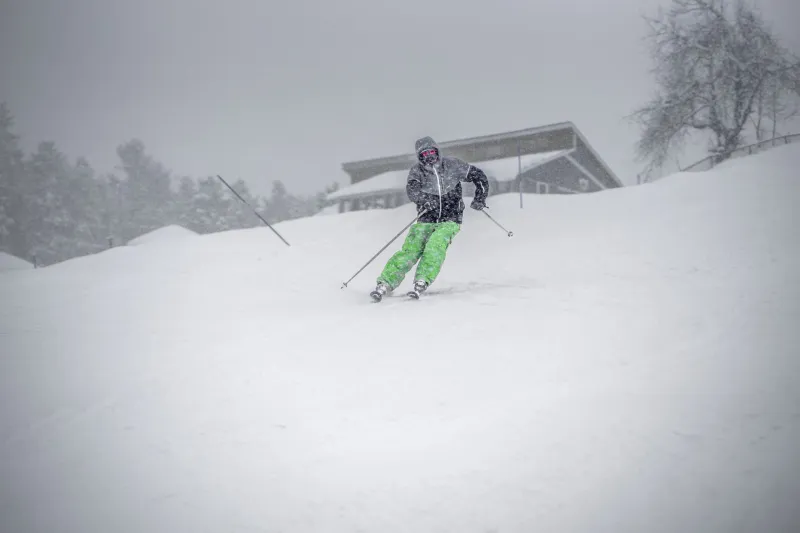
Alcohol is another bad shortcut. It can make you feel warmer while your body is losing heat, and it blunts the judgment you need to call off a trip. Skiers and riders should also remember that wind chill on a lift is not the same as wind chill in the parking lot. You are sitting still, exposed, often above tree line, and the ride down can be longer than expected.
The Car Is Not a Warm Room Until It Is
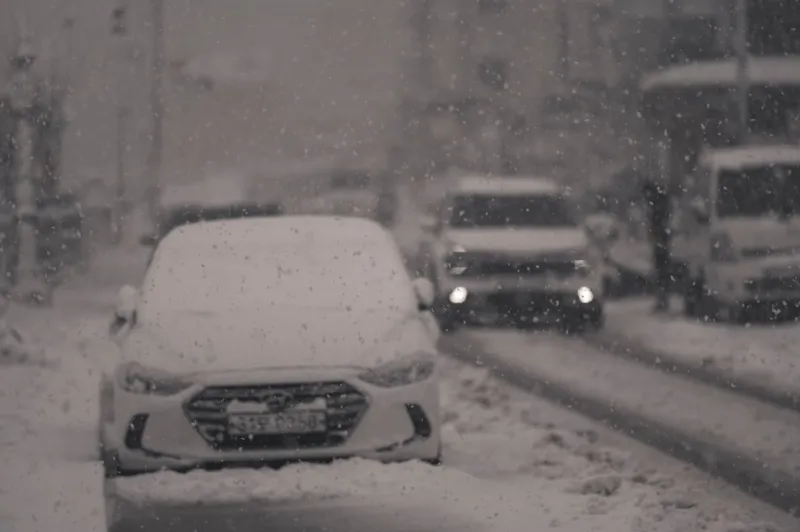
A vehicle does not feel wind chill, but it does carry the consequences. A cold battery has less cranking power. Tires lose pressure. Diesel can gel. A minor slide into a ditch can turn into a long wait in the same wind that made the forecast look ugly.
That is why the wind chill number belongs in your packing decision, not just your clothing decision. At -20°F and below, a basic ice scraper and a phone charger are not a winter kit. You want blankets, extra gloves and hats, a flashlight, water that will not freeze solid, snacks, a shovel, and a way to call for help. If you are traveling with children or pets, add their gear to the list.
A Clock You Can Actually Use
Wind chill is not a contest and it is not a personality test. It is a way to see the stopwatch under your skin. Use it to decide what to wear, how long to linger, which route to take, and when the safer call is to delay the trip altogether. The best winter travelers are not the ones who ignore the cold. They are the ones who check the clock before it starts running.