The Weight Above Your Ceiling: A Homeowner's Guide to Snow Load
Snow is a building material only in the sense that it has weight. Your roof does not care that the flakes looked pretty on the way down. It cares about pounds per square foot, how long the load sits there, and whether wind shoved an extra-deep drift over the garage. The useful homeowner habit is to think like a ledger: water in, weight on, interest paid in ice. That ledger is easier to read than most people think.
The ledger starts with water, not flakes
Snow water equivalent, or SWE, is the amount of liquid water in a snowpack. A common rough ratio for fresh snow is 10 inches of snow to 1 inch of water. Fluffy powder might run 15:1 or 20:1; wet snow can be 8:1 or even denser. That ratio is the exchange rate between the winter wonderland in your yard and the load on your roof.
Do the math once and it sticks. One inch of water weighs about 5.2 pounds per square foot. So 20 inches of 10:1 snow carries roughly 10 pounds per square foot of water weight. Twenty inches of wet 8:1 snow carries closer to 13 pounds per square foot. Add rain on top, or a freeze-thaw cycle that turns the bottom layer into ice, and the number climbs. Most residential roofs are designed for a snow load set by local code, but those numbers vary by region and are not infinite. Older barns, porch roofs, mobile homes, and flat commercial roofs deserve extra respect.
Drifts write the biggest numbers
A uniform blanket is only half the story. Wind moves snow from windward slopes and deposits it on leeward ones. That is why a roof can look modest from the driveway while a three-foot drift sits against the north wall, over a valley, or behind a chimney. Drifts are heavier because they are deeper, and they can be denser because wind packs the crystals. They also concentrate load in one place, which is exactly what structural engineers worry about.
Walk around the house after a windy storm and look for the leeward side. Check porch roofs, garage roofs, additions, and any lower roof that catches snow sliding off a higher one. Look at valleys where two roof planes meet. Those spots collect snow and ice and often leak first. If you have a flat roof, note where the wind has built a ramp against a parapet or mechanical unit.
Freeze-thaw is the interest payment
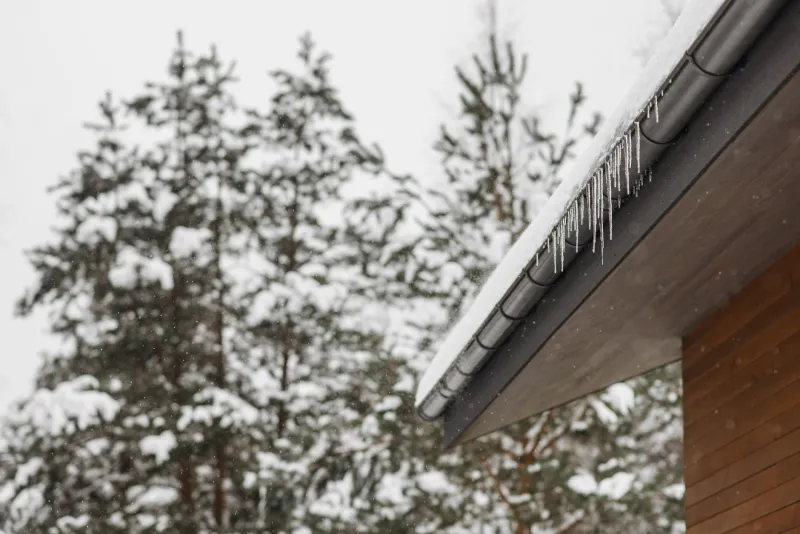
A thaw does not cancel the debt. It changes it. Meltwater runs into cracks, refreezes at night, and expands. Repeat that a few times and you get ice dams at the eaves, ice in gutters, and a heavier, harder load that does not slide off. The roof may shed some snow during the day, then hold a frozen crust at night.
This is also when interior clues show up. Water stains on ceiling drywall, bubbling paint, or a sudden icicle farm along the gutter are not cosmetic. They mean meltwater is finding a path. Ice dams can back water under shingles and into insulation. The weight problem and the water problem are related, but they are not the same problem. Fixing the immediate leak may not fix the load.
Warning signs from the ground
You do not need to climb a ladder in a snowstorm to assess risk. Start outside, with binoculars if you have them. Look for a roof line that sags in the middle, ridges that look wavy, or a ceiling that has developed new cracks. Check doors and windows that suddenly stick. That can be a sign the structure is moving under load. Listen for creaks, pops, or groans that were not there before. Inside, look at the attic for sagging rafters, cracked trusses, or daylight where there should be none.
Any of these signs means stop and call a professional. Do not test the roof by walking on it. A snow-covered roof hides skylights, vents, and weak spots, and a fall is a worse emergency than a heavy roof. If you see structural movement, get people out of the affected area and call a qualified contractor or structural engineer.
Clearing without becoming the emergency
The safest snow removal happens from the ground. A roof rake with a long handle lets you pull snow off the edge of a low roof without climbing. Work in small amounts, keep your feet planted, and watch for overhead power lines. Do not stand under icicles or snow cornices. Do not use a ladder on ice or snow. Do not send a family member onto a steep roof with a shovel and a prayer.
Clear in stages. Take snow off the lowest roof first, and avoid piling it against the foundation or blocking vents. Keep exhaust vents and furnace intakes clear. If you have a flat roof, use a plastic shovel and leave a thin layer so you do not damage the membrane. Never chop ice with an ax or chisel. You are more likely to puncture the roof than solve the problem.
Call a professional if the snow is deep, the roof is steep, the house is older, or you see any warning sign. Many roofing and snow-removal companies offer safe clearing. The cost is real, but it is cheaper than a collapsed porch or a hospital visit. For cabins and vacation homes, arrange a check-in with a neighbor or property manager. A roof that sits unattended for a month can collect more load than one you see every day.
The post-storm audit
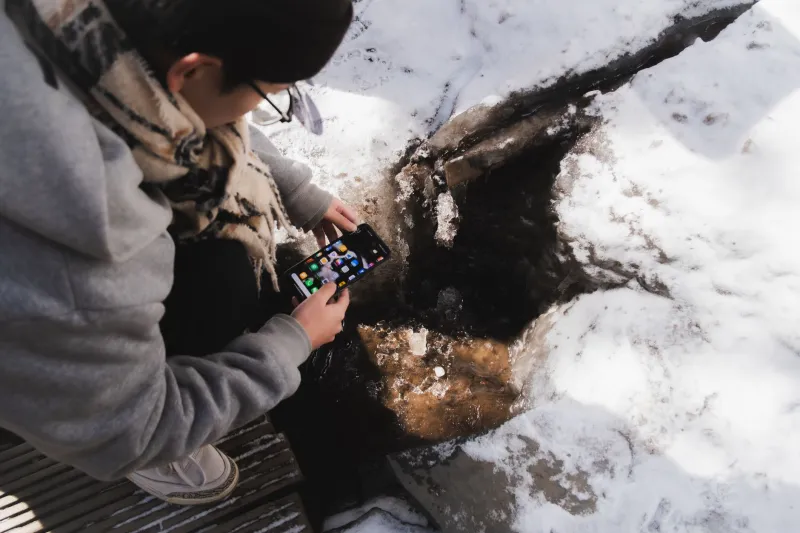
After the storm, do a calm walkaround. Check gutters, downspouts, flashing, and the attic. Look for new water stains, ice dams, or gaps. Take photos of drifts before they melt so you know where the weak spots are next time. Note which roof sections shed snow and which hold it. That pattern is your own private snow-load map.
Then write down what you learned. Where did the wind pile snow? Which door stuck? Did the porch roof groan? A small notebook or phone note is enough. The next storm will follow the same rules, and you will be ready. Snow is pretty, but it keeps books. Your job is to read them before the roof does.