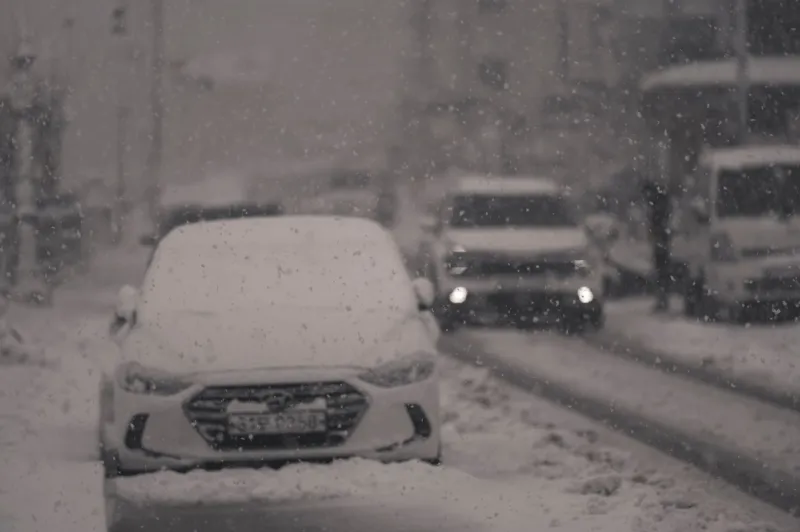
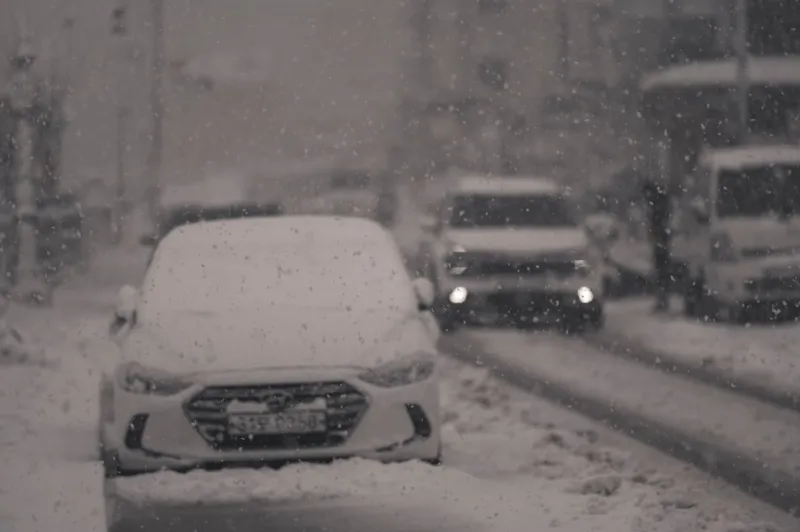
Clear Sky, White Road: The Ground Blizzard Hiding in Plain Sight
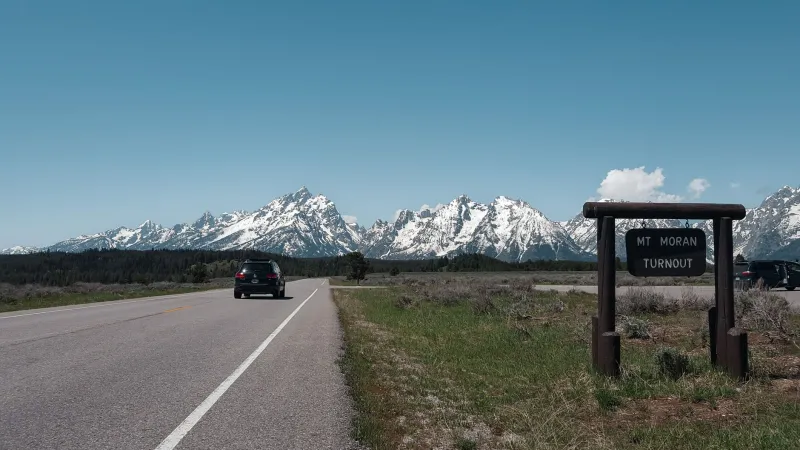
You check the forecast before a November drive: sunny, cold, windy. The pavement looks dry. The sky is that hard, clean blue that makes you think the road is yours. Then you crest a rise, and the horizon smears. A white plume snakes across the lane. The car ahead turns into a ghost, then vanishes. There is no storm overhead. There is no storm in the radar loop. The snow is already on the ground, and the wind has decided to put it back in the air.
That is a ground blizzard, and it is one of the strangest hazards in winter travel. It does not need a dark cloud or a dramatic forecast graphic. It needs loose snow, open ground, and a stiff wind.
What a ground blizzard actually is
A ground blizzard is blowing snow without falling snow. The National Weather Service blizzard criteria involve visibility of a quarter mile or less and winds of 35 mph or more for at least three hours. A ground blizzard can meet the visibility and wind parts of that definition while the sky above stays mostly clear.
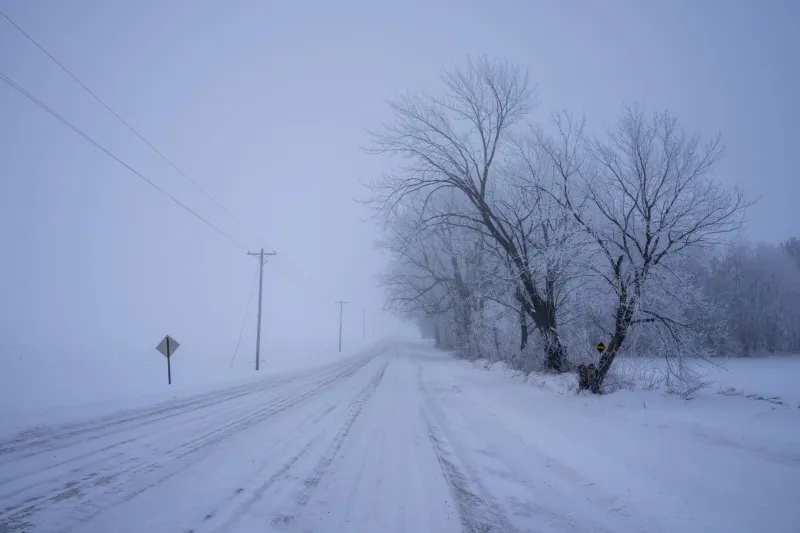
The snow is not arriving from the atmosphere. It is coming from the ditch, the median, the field, and the fence line. Dry, loose snow gets picked up by wind and travels in layers: grains bounce along the surface, then lift into the air in swirling sheets. On the prairie, a modest amount of old snow can become a moving wall if the wind has enough fetch and the snow is not crusted over.
This is why a ground blizzard can feel impossible. The weather app says sun. The road looks passable. The danger is happening in the first few feet above the pavement.
Why clear-sky whiteouts are so sneaky
A falling-snow storm announces itself. Radar lights up. Clouds lower. The forecast uses words like snow and accumulation. A ground blizzard often gets described as windy, which sounds like a comfort problem, not a visibility problem.
Then the road crosses open country. Wind accelerates across bare fields and picks up snow from the shoulders and median. Visibility can drop from miles to feet in the time it takes to pass a single farmstead. Low November sun makes it worse, washing out the contrast between road, sky, and snow. Lane markings disappear. Taillights fade. Your brain keeps looking for a cloud that is not there.
The worst part is the illusion of control. On a clear day, drivers carry clear-day speed into a place where the road is no longer visible. The first reaction is often to keep going because the sky looks fine. But the sky is not the road.
Where it bites in the U.S.
Ground blizzards are a familiar problem in the open corridors of the West and northern Plains. Wyoming's I-80 between Laramie and Walcott has a long reputation for wind-driven closures, including days when the sky is blue and the interstate is shut by blowing snow. The corridor is exposed, high, and prone to gusts that move snow across the lanes.
The Dakotas and western Minnesota see the same pattern along I-29 and I-94, where flat agricultural land gives wind a long runway. I-90 across South Dakota can go from dry pavement to zero visibility in a few miles. Eastern Colorado's plains and Montana's US-2 corridor are also classic ground-blizzard country: open, windy, and lightly treed.
State DOT cameras often tell the story better than a forecast. A camera can show bare pavement at one exit and a white wall two miles later. That is not a malfunction. That is the nature of wind-driven snow.
Warning signs before the windshield goes blank
You will not always get a polite warning, but ground blizzards usually leave clues.
- Snow snakes: thin streams of snow moving across the road like smoke.
- Plumes off fields and fence lines: snow lifting in sheets beyond the shoulder.
- A milky horizon: the line between ground and sky starts to dissolve.
- Disappearing traffic: cars ahead wink out one by one rather than shrinking normally.
- Sudden loss of lane markings: the road surface turns uniform white.
- Wind that rocks the car: gusts strong enough to move you are strong enough to move snow.
- DOT messages about blowing snow or closures: take them literally, even under blue sky.
If the road disappears
Do not treat a ground blizzard like a rainstorm. Slow down gently, turn on your headlights, and turn off cruise control. Increase your following distance until you can stop within the distance you can see. Avoid sudden braking and steering inputs; the surface under that blowing snow may be ice, not dry pavement.
If visibility drops to near zero, do not stop in a travel lane. A stalled car in a whiteout is a target. Pull as far off the road as you safely can, turn on your hazard lights, stay buckled, and call 911 if you are stuck or blocking any part of the road. Do not walk into traffic to check on another vehicle. In a whiteout, drivers cannot see you, and your car is your best shelter.
If you cannot pull off, keep your lights on and stay in the vehicle. Do not follow taillights off the road; those lights may belong to someone who is also lost. If you are stranded for a while, run the engine intermittently for heat, crack a window for fresh air, and make sure the tailpipe is not buried in snow.
A 2026–27 pre-trip check for clear-sky whiteout country
Before a winter drive through open country, check the state 511 system, the National Weather Service wind forecast, and any blowing snow advisories. A sunny icon is not enough. Start with a full tank or a full charge. Pack a blanket, warm layers, water, snacks, a flashlight, a phone charger, a small shovel, and sand or traction material. Tell someone your route and expected arrival time.
If the forecast calls for strong wind and there is loose snow on the ground, assume the road may close without much notice. Travel in daylight when you can. Be ready to delay or turn around. The goal is not to prove the forecast wrong. The goal is to be somewhere else when the wind starts writing its own road report.
A blue sky can be an all-clear signal for a lot of things. In ground-blizzard country, it is not. The snow is already here. The wind just decides when to pick it up.