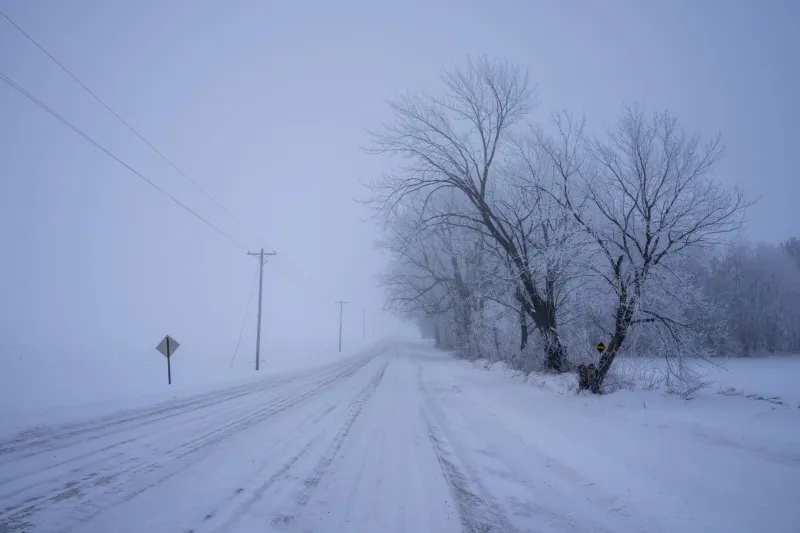
First Snow, False Confidence: Why November's Opening Storm Is a Trap for Drivers
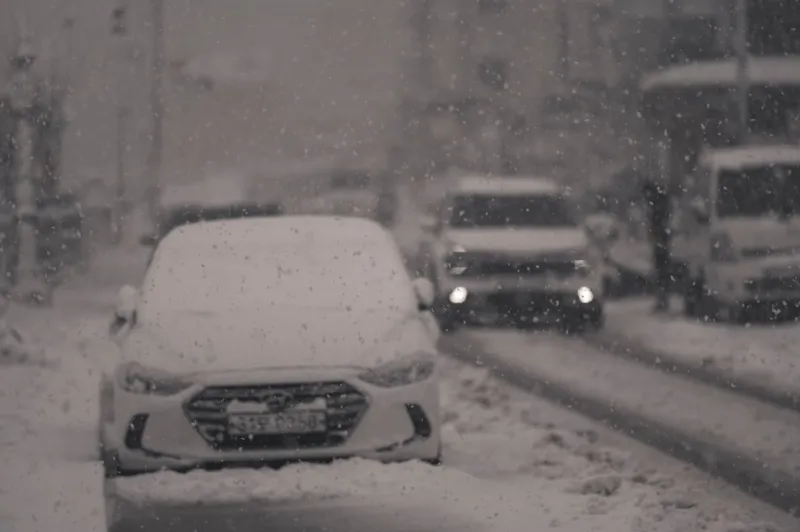
The first real snow of the season has a way of feeling like a rehearsal. It arrives in November, often after a stretch of crisp, dry weather. The forecast calls for a coating to a couple of inches. Drivers think: I have done this before. Then the first slide happens, and the season's opening storm turns out to be the exam nobody studied for.
Crash data and winter-driving research keep pointing to the same pattern. The first accumulating snow of the season is disproportionately dangerous. Not because it is always the biggest storm, but because it lands on drivers who are still calibrated for dry pavement, warm afternoons, and the driving habits of October.
The first-snow effect is real
Transportation researchers have documented what many state patrol officers already know: crash counts often jump during the first snow of the season, then settle down as drivers adapt. The effect shows up in U.S. and Canadian winter crash studies, and it is less about snow depth than about surprise. A light coating can be worse than a full-blown storm because it does not look serious enough to slow people down.
The first snow also catches the whole system off guard. Road crews are still shaking the rust off their plow routes. Businesses and schools are deciding whether to delay. Drivers have not yet made the mental switch from summer tires and dry-road following distances to winter mode. The result is a lot of people making first-time winter decisions in real time, at speed.
Your tires forgot winter before you did
Tire compound matters more than many drivers realize. Summer tires can harden in cold temperatures, losing grip even on dry pavement. All-season tires are a compromise, and their snow traction drops as tread wears. Three-peak mountain snowflake-rated all-weather or winter tires are built for cold-weather flexibility and snow grip, but they cannot help a driver who is still traveling at summer speed.
Stopping distance is the blunt instrument here. On packed snow, a car that stops in a reasonable distance on dry pavement may need several times that distance to stop. All-wheel drive helps you accelerate. It does not help you brake. Anti-lock brakes can help you steer during a hard stop, but they cannot manufacture traction that the tires do not have.
That is why the first snow produces so many low-speed rear-end crashes and slide-offs. Drivers are not necessarily reckless. They are driving last week's road with this week's tires.
The psychology of the first slide
Normalcy bias is the brain's habit of assuming things will continue roughly as they have been. For most of the fall, the road has been dry and predictable. The first snow asks the brain to abandon that assumption quickly. Many drivers do not, at least not until they feel the first slip.
Optimism bias adds another layer. We tend to believe other drivers will struggle more than we will. We also remember last winter through the lens of competence, not through the memory of every white-knuckle commute. By spring, the fear fades. By November, the habits have gone soft.
Then there is the permission slip of a light forecast. A dusting sounds manageable. A coating sounds like a reason to leave five minutes early, not a reason to change tires, route, or speed. But a dusting can be enough to hide black ice, especially on bridges, overpasses, and shaded curves. The first snow often melts on contact during the day and refreezes overnight, turning a harmless-looking commute into a glaze.
Why November is a weirdly bad setup
November brings low sun angles, early darkness, and a lot of drivers who have not yet adjusted to either. The ground is not always deeply frozen, so snow can melt and refreeze in patches. Leaves and road spray can hide the shine of ice. Holiday travel adds unfamiliar routes and tired drivers. And because the first storm is often modest, it does not trigger the caution that a named blizzard would.
Road crews face their own first-storm learning curve. Equipment gets deployed, routes get tested, and treatment decisions get made with less recent experience. That does not mean crews are unprepared. It means the first storm is a systems test as much as a weather event.
A pre-first-storm checklist that starts before the flakes
The best time to deal with the first snow is the day before it arrives. Not in the driveway with a scraper in one hand and a phone in the other. Before.
48 hours out
Check the forecast, but also check the timing. A storm that hits the morning commute is a different decision than one that arrives on a Saturday afternoon. Look at your week and decide now whether you can shift a trip, work from home, or delay a departure. Decide whether your vehicle is actually ready for winter, not just whether it starts.
Tires and equipment
Check tread depth and tire pressure. Cold air lowers pressure, and underinflated tires reduce grip. If you live where snow is routine, consider three-peak mountain snowflake-rated tires. Replace worn wipers, fill washer fluid with a winter-rated mix, and test every light. Check the battery, especially if it is more than a few years old. Cold mornings are hard on weak batteries.
The kit that actually helps
A blanket, warm layers, gloves, a flashlight, water, snacks, a phone charger, a small shovel, and sand or cat litter belong in the car before the first storm, not after the first slide. Add any medications you might need and a basic first-aid kit. A ice scraper and snow brush are the minimum, not the whole plan.
Route and timing decisions
Pick a route that favors plowed main roads over hilly shortcuts. Know your alternates before you need them. Check state 511 systems and local road reports. Fill the tank or charge the battery the night before. Tell someone when you are leaving and when you expect to arrive.
Before you put it in drive
Clear all snow and ice from the windows, roof, hood, and lights. A peephole is not visibility. Turn on your headlights. Turn off cruise control. Increase your following distance well beyond your dry-road habit. Brake earlier and more gently. Look far ahead, not at the bumper in front of you. If you start to slide, ease off the gas and steer where you want to go rather than sawing at the wheel.
The first empty parking lot
If you have a safe, empty lot and room to practice, use the first snow to relearn how your car feels when it loses grip. Practice gentle braking and steering at low speed. Do not treat it as a stunt. Treat it as a reminder that traction has a limit.
The first snow is not a practice round. It is the season's first real test of tires, habits, and decisions. Treat it that way, and November's opening storm becomes a lot less surprising.