Your Headlights Are Lying to You in the Snow: A Night-Drive Lighting Reset

Photo by Photo by Zoshua Colah on Unsplash on Unsplash
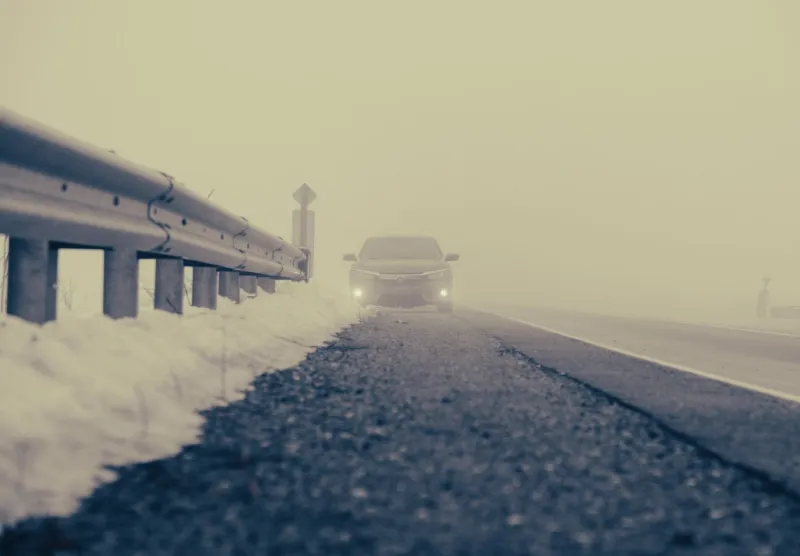
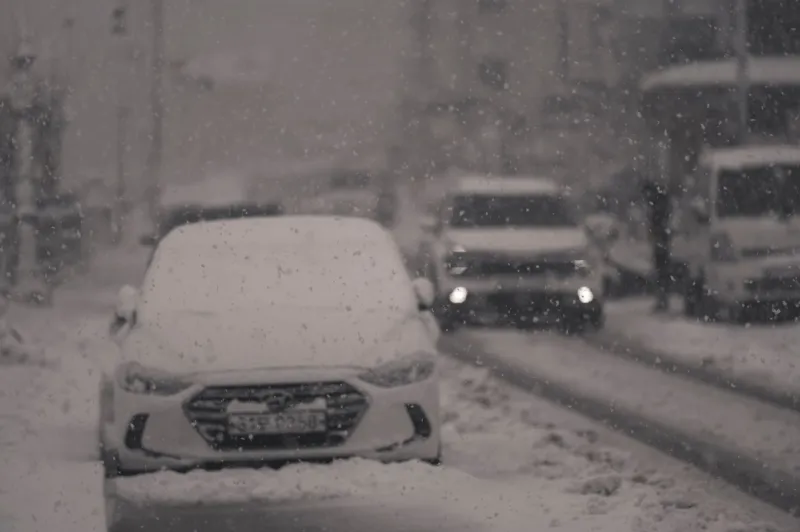
Night snow is a weird optical trick. The road is right there, but your headlights can make it feel like you’re driving into a lit curtain. Flip on the high beams and the curtain gets thicker. Crank the dashboard brightness and suddenly your own instrument cluster is reflected in the glass. The problem isn’t that you need less light. It’s that you need the right light, aimed and used with some discipline.
Why More Light Makes Less Road
High beams throw light far and high. That’s great on a dark, dry interstate. In falling snow, those beams hit thousands of flakes and bounce straight back at you. The result is a bright wall between your eyes and the pavement, with fewer shadows to tell you where the shoulder ends and the ditch begins.
Your pupils don’t help. Bright glare causes them to constrict, so the darker parts of the scene—the lane edge, a tire track, a mailbox—get harder to see. Add a bright touchscreen or a white-on-blue dash display, and you’ve built a small mirror inside the car. The windshield reflects it, especially when the glass is cold or slightly fogged.
Low beams aim down and to the right. They put light on the road surface instead of into the snowfall. That’s why “dim” often equals “see more” in winter. The goal is contrast: pavement versus snowbank, lane line versus slush, taillight versus whiteout. Glare kills contrast.
The Low-Beam Default
In snow, make low beams your default. Not because high beams are illegal or evil, but because they’re usually the wrong tool for the moment. If snow is falling, blowing, or being kicked up by traffic, stay low. If the road is clear, traffic is absent, and the air is dry, high beams can still do their normal job. But the second the air turns white, drop them.
Also check that your low beams are actually aimed correctly. A lifted truck or a recent front-end repair can leave them pointing at oncoming drivers or up into the snow. In 2026 vehicles with LED housings, a cracked or cloudy lens can scatter light in ugly ways. Clean the lenses, check the aim if something feels off, and don’t assume “new bulbs” means “good pattern.”
Fog Lights: A Tool, Not a Flex
Fog lights are low-mounted and wide, which can help you see the edge of the road when snow is thick. They are not a permission slip to run every light on the vehicle. Many US states restrict fog lights to use with low beams, and some require them to be off when you dim for oncoming traffic. Know your state’s rule, and use the lights only if they actually improve the view.
If your fog lights create a bright wash in front of the bumper or reflect off the snow, turn them off. Same with light bars and auxiliary lamps. A wall of aftermarket brightness can make you feel invincible while hiding the one thing you need: the shoulder. In a whiteout, subtlety is a safety feature.
Dim the Instrument Panel Before You Roll
Do a dashboard dimming pass before you leave the driveway. Turn the instrument brightness down until the gauges are readable but not glowing. Dim or switch to night mode on the center screen. If your vehicle has a head-up display, reduce it. Cover or mute anything that throws a bright rectangle onto the windshield.
This matters more at night in snow because the outside scene is already low-contrast. Your eyes are working hard to separate white road from white air. A bright cabin gives them a competing target. Dimming the dash won’t make the storm disappear, but it can stop your own car from becoming part of the glare.
Wipers, Defrost, and the Air You Can’t See
Lighting gets the headlines, but windshield management is part of the same system. Set the front defroster and rear defroster early. Use the air-conditioning compressor if your climate controls allow it—AC dehumidifies, which helps clear fog even when you’re calling for heat. Keep the cabin from getting too warm and cozy if the glass starts fogging. A cool, dry cabin sees better than a warm, damp one.
Check your wiper blades before the storm. Worn blades smear slush into a gray film that scatters every beam. Top off winter washer fluid rated for the cold, and clear snow and ice from the wiper park area so the blades can return to a clean sweep. Don’t forget the rear window and side mirrors. If you can’t see behind you, your lighting plan is only half finished.
Adaptive and LED Headlights in 2026: Read the Manual, Not the Brochure
Newer vehicles often have adaptive headlights that swivel with steering or shade parts of the beam to avoid dazzling other drivers. These systems can be genuinely helpful, but they are not magic. Snow can confuse the sensors, and automatic high-beam systems may react slowly in blowing snow. Know how to override them.
Spend five minutes with the owner’s manual—yes, the manual—and learn where the low-beam, fog-light, and auto-high-beam controls live. Find the dashboard dimmer. Find the defroster controls without looking down. If your vehicle has a snow or winter drive mode, understand what it changes; it may soften throttle response, but it won’t improve visibility. The point is to make the right settings habitual before the road goes blank.
The 60-Second Pre-Drive Check
Before you pull out into a night snowstorm, run a quick loop around the car and the cabin.
- Clear snow and ice from the headlights, taillights, mirrors, and backup camera.
- Confirm low beams are on and the high beams are off unless conditions truly allow them.
- Check fog lights: on only if they help and state law allows; off if they add glare.
- Dim the dash and center screen; mute or reduce the head-up display.
- Set front and rear defrost; confirm wipers are clear and washer fluid is winter-rated.
- Make sure adaptive or automatic high-beam modes are doing what you expect.
- Wipe your shoes and clear floor mats so the inside glass fogs less.
When to Stop Pushing
There’s a point where lighting discipline can’t fix the road. If you can’t see the lane edge, if oncoming glare keeps wiping out your view, if you’re guessing at curves, or if traffic is passing you in a way that feels dangerous, get off the road. Use a safe exit, parking lot, or rest area—not the travel lane. Turn on hazard lights once you’re stopped, stay belted, and keep your taillights clear of snow.
The best night-snow lighting setup isn’t the brightest one. It’s the one that preserves contrast, keeps your own car from becoming a glare source, and leaves you enough vision to make an honest call about stopping. High beams can be a trap. Low beams, a dim dash, and a clean windshield are the quieter tools that keep the road visible.