Idle Hands, Cold Engine: What Ten Minutes in the Driveway Actually Buys You

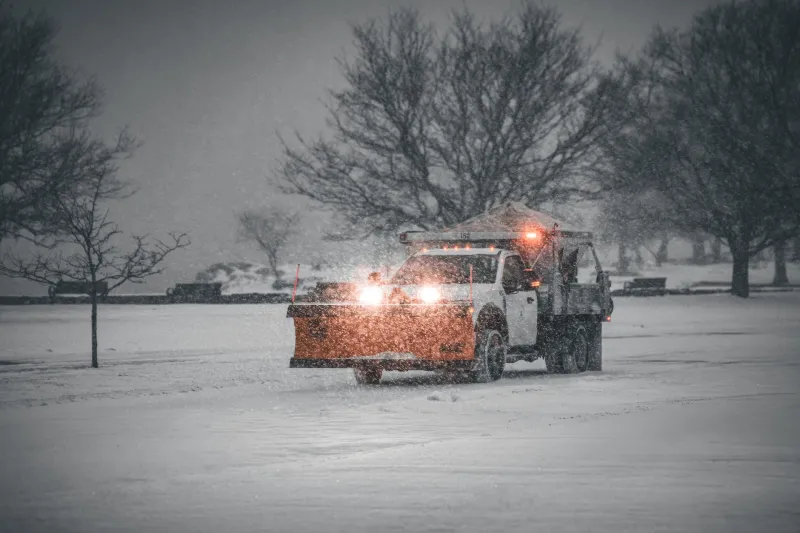
Photo by Photo by Alekon pictures on Unsplash on Unsplash
There's a ritual that plays out in driveways across the snow belt every January morning: the remote start chirps, the garage door stays shut because it's nine degrees out, and the car sits there puffing for ten minutes while someone watches the clock from the kitchen. It's handed down like a family recipe. It also hasn't been mechanically necessary since carburetors left the building.
That doesn't make the habit stupid. It makes it stale. And in deep winter, a stale habit can quietly turn into a fuel bill, a fouled engine, or — in the worst case — a carbon monoxide problem. So let's take the ritual apart and rebuild it for the way cars actually work in 2026.
The Ten-Minute Rule Was Written for a Different Machine
Older engines with carburetors really did need to idle. Fuel metering was crude, cold fuel puddled in the intake, and a driver who pulled away too soon got a stumble, a stall, or both. Letting the engine sit and build heat was the workaround.
Modern engines run on electronic fuel injection with oxygen sensors and computers that adjust the air-fuel mix many times per second. The engine management system knows it's cold. It compensates. You can start the car, buckle up, and drive away — gently — almost immediately. Most owner's manuals for gasoline vehicles sold in the US say some version of this: no long warm-up needed; drive moderately for the first few miles.
Cold oil is thicker, yes. But the oil pump doesn't care whether the engine is idling in your driveway or moving at 25 mph. What it cares about is load. Idling puts almost no load on the engine, which means it warms up slowly. Driving gently warms it faster, and the heater starts blowing hot air sooner too. The ten-minute idle is the slowest possible way to get where you're going.
What's Actually Happening in That First Minute
When you turn the key, a few things need to settle: oil pressure needs to build, the catalytic converter needs to light off, and the fluids need to start moving. That takes seconds, not minutes. Thirty to sixty seconds of idle is plenty on a brutal morning, and on a mild one you can skip it entirely.
One detail worth knowing: extended cold idling isn't just inefficient, it's a little unkind to the engine. Oil temperatures stay low, so condensation and unburned fuel can accumulate in the crankcase rather than burning off. Direct-injection engines, common in newer cars, are especially prone to fuel dilution and intake valve deposits when they spend a lot of time cold and idling. You're not protecting the engine. You're mostly letting it sit in a lukewarm bath.
And the cabin heat? It's slow because it's a byproduct. The heater core only gets hot once the coolant does, and at idle the engine isn't making much heat. If your goal is a warm seat and a clear windshield, heated seats, a heated steering wheel, and a proper scraper do more in two minutes than the engine does in ten.
The Hidden Bill: Fuel, Carbon, and a Buried Tailpipe
Fuel use from idling is modest per event — roughly a cup or two for ten minutes in a typical sedan, more in a big V8 — but it compounds. Ten minutes a day across a five-month winter adds up to several tanks of gas that moved you exactly zero miles.
The more serious line item is carbon monoxide. CO is colorless and odorless, and it's what a cold engine produces in abundance before the catalytic converter reaches operating temperature. Two scenarios make this genuinely dangerous:
- A tailpipe packed with snow. Backing into a plowed bank, or parking where the plow left a wall, can seal the exhaust. CO then finds its way back into the cabin. This happens more often than people think, and it can happen in minutes.
- An attached garage. Even with the door open, running a car in a garage attached to a house can push CO indoors. Never idle in a closed garage, and be careful with the open-door assumption too — wind and air pressure don't always cooperate.
A working CO alarm on every level of your home, tested monthly, is the cheapest insurance in this entire article. If your alarm goes off, get everyone outside and call the fire department. Don't hunt for the source first.
Block Heaters, Remote Starts, and the EV Shortcut
If you live where January routinely drops below zero — the Upper Midwest, the Rockies, northern New England — a block heater or oil pan heater is the tool that actually solves the problem. Plugged in overnight on a timer, it keeps the coolant warm so you get heat in a minute or two and the engine turns over easily. Many vehicles sold in Canada come with them from the factory; in the US they're often optional, which is a shame.
Remote start is fine in moderation, but treat it as a comfort feature, not a mechanical one. Five minutes is plenty. Make sure the car is outside or the garage door is fully open and the car is clear of snow.
EVs have rewritten this whole ritual. Preconditioning while plugged in warms the cabin and the battery using grid power rather than stored energy, which preserves range on the coldest mornings. Heat pumps, now common on newer models, are dramatically more efficient than resistive heaters. Set a departure time, let the car do the work while it's still tethered, and skip the driveway vigil entirely.
A Cold-Start Routine That Works in Real Winter
- Clear the tailpipe first. Kick the snow away from the exhaust before you start anything.
- Start the car, then scrape. Thirty to sixty seconds of idle while you clear windows, mirrors, and the roof. Never drive with a snow-capped roof — it'll find someone's windshield.
- Drive gently for the first few miles. Low RPMs, smooth inputs. That warms everything faster than idling and gets your defroster working sooner.
- Use the heated stuff. Seats, steering wheel, and mirror defrosters are there for exactly this.
- Keep the garage for storage, not warming. If you must start a car in an attached garage, pull it out first.
- Test the CO alarms. Every level, every month. Replace the batteries on schedule, not on failure.
The old ten-minute warm-up isn't a crime. It's just a habit that outlived its reason. Your engine will be happier, your wallet will be happier, and your household will be safer if you trade the driveway vigil for a scraper, a gentle first mile, and a five-minute remote start you can actually justify.