The Tailpipe Is the Tell: A Stranded-in-Snow Carbon Monoxide Drill

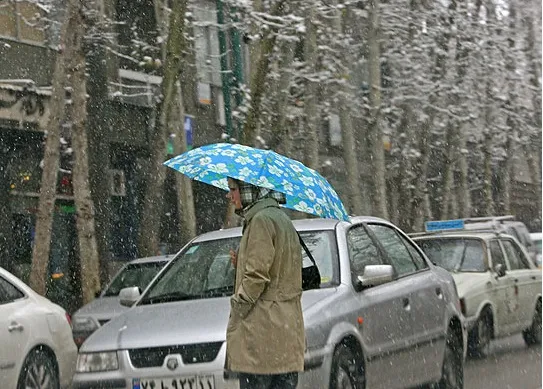
Photo by Photo by Myznik Egor on Unsplash on Unsplash
The snow starts as a harmless blur, then the wipers lose the lane, then the car is stopped in a drift and the heater is the only thing that still feels civilized. That is exactly the moment to think about the tailpipe. A stranded car can keep you alive in a storm, but only if the exhaust has somewhere to go. When snow packs around the rear bumper, the engine is no longer just making warmth. It is making carbon monoxide, and that gas can find its way inside.
Why a buried tailpipe turns the cabin into a trap
Carbon monoxide, or CO, is a byproduct of incomplete combustion. It is colorless, odorless, and easy to ignore because it does not announce itself. In a running vehicle, exhaust leaves through the tailpipe and, under normal conditions, drifts away. In a whiteout, wind and plowed snow can seal the tailpipe with a drift. Exhaust then backs up under the vehicle and can slip into the cabin through floor seams, rust holes, hatch seals, or ventilation paths. You do not need a dramatic hole in the exhaust system. You need a blocked outlet and a cabin that is not perfectly airtight.
The health effect is just as quiet. CO binds to hemoglobin in red blood cells far more readily than oxygen does, so the blood can lose its ability to carry oxygen even while you feel merely tired. Early symptoms, including headache, dizziness, nausea, and confusion, are easy to blame on cold, stress, or a long drive. Sleepiness is especially dangerous because it can feel like a reasonable response to a miserable night. It may be the gas talking.
The cracked-window myth
You have probably heard the advice: if you are stuck, just crack a window. It sounds like a safety valve. It is not a plan. A slightly open window may exchange some air, but it does not guarantee that CO levels stay safe, especially if exhaust is pooling under the car or being pushed toward the opening by wind. In some conditions, a crack can even give a false sense of protection while the source of the problem, the blocked tailpipe, keeps producing gas.
Think of the window crack as a minor ventilation assist, not a license to run a blocked engine. If the tailpipe is buried, the engine stays off. That is the rule. No gadget, no crack, no hopeful idling changes it.
The engine-cycle routine
The goal is not to keep the cabin at room temperature. The goal is to warm it in short, supervised bursts and then shut the engine down before CO has time to build. Before every start, do the same check.
- Get out safely, if conditions allow, and look at the tailpipe. Clear snow from the tip and from the area around the rear bumper. Do not just kick the visible opening. Snow can pack underneath and around the pipe, so clear a generous pocket downwind of the exhaust.
- Check the underside near the rear wheels and bumper. If the car is buried to the chassis, or you cannot safely inspect the exhaust, do not start the engine.
- Start the engine, set the heat, and use the fresh-air setting rather than recirculation when the exhaust path is clear. Run it for about 10 to 15 minutes, then shut it off.
- Recheck the tailpipe after every cycle. Wind can rebury it in minutes, and a drift that was clear when you started may be gone or grown by the time you stop.
- Never sleep with the engine running. If you feel a headache, dizziness, nausea, or unusual confusion, shut the engine off, get fresh air, and call 911. If a portable CO alarm sounds, treat it as an emergency, not a nuisance.
That routine is deliberately boring. Boring is what you want in a storm.
If you cannot clear the pipe
Do not run the engine to stay warm. Use insulation instead. Put on every layer you have, wrap yourself in a blanket or emergency blanket, and keep your head and hands covered. Stay with the vehicle unless you have a clear, safe reason to leave. A car is easier for rescuers to spot than a person who wandered into a whiteout.
Signal when you can. A reflective vest, a bright LED beacon, and a whistle do more for you than a dashboard coffee warmer ever will. If you have cell service, share your location and stay put. If you do not, conserve the phone and keep checking at intervals.
The winter car kit that actually matters
Most winter kits are heavy on comfort and light on the things that keep CO from becoming a crisis. Build around three jobs: detect, signal, and insulate.
For detection, carry a battery-powered portable carbon monoxide alarm with a digital display, plus spare batteries. Test it before the season and keep it where you can hear it, not buried under a suitcase.
For signaling, pack a reflective vest, a magnetic or rechargeable LED beacon, a headlamp, and a whistle. Add a phone battery bank and a charging cable that stays in the car.
For insulation, carry wool blankets or a sleeping bag, a foam pad or folded moving blanket for the floor, warm hats, mittens, and hand warmers. A small shovel and a snow brush belong in the trunk, too. Skip the propane heater, the candle-in-a-can setup, and any gadget that promises cozy heat without solving the exhaust problem.
A 60-second drill before the next storm
Before the next winter drive, walk to the back of your car and find the tailpipe with your hand. Put the CO alarm in the cabin. Put the blanket where a passenger can reach it without unpacking the trunk. Tell anyone riding with you the rule: if the tailpipe is buried, the engine is off. That is the whole drill. It takes less time than scraping the windshield, and it is the difference between waiting out a storm and becoming a quiet statistic.